
Mild to Reaper, one rung at a time
Find your rung on the heat ladder
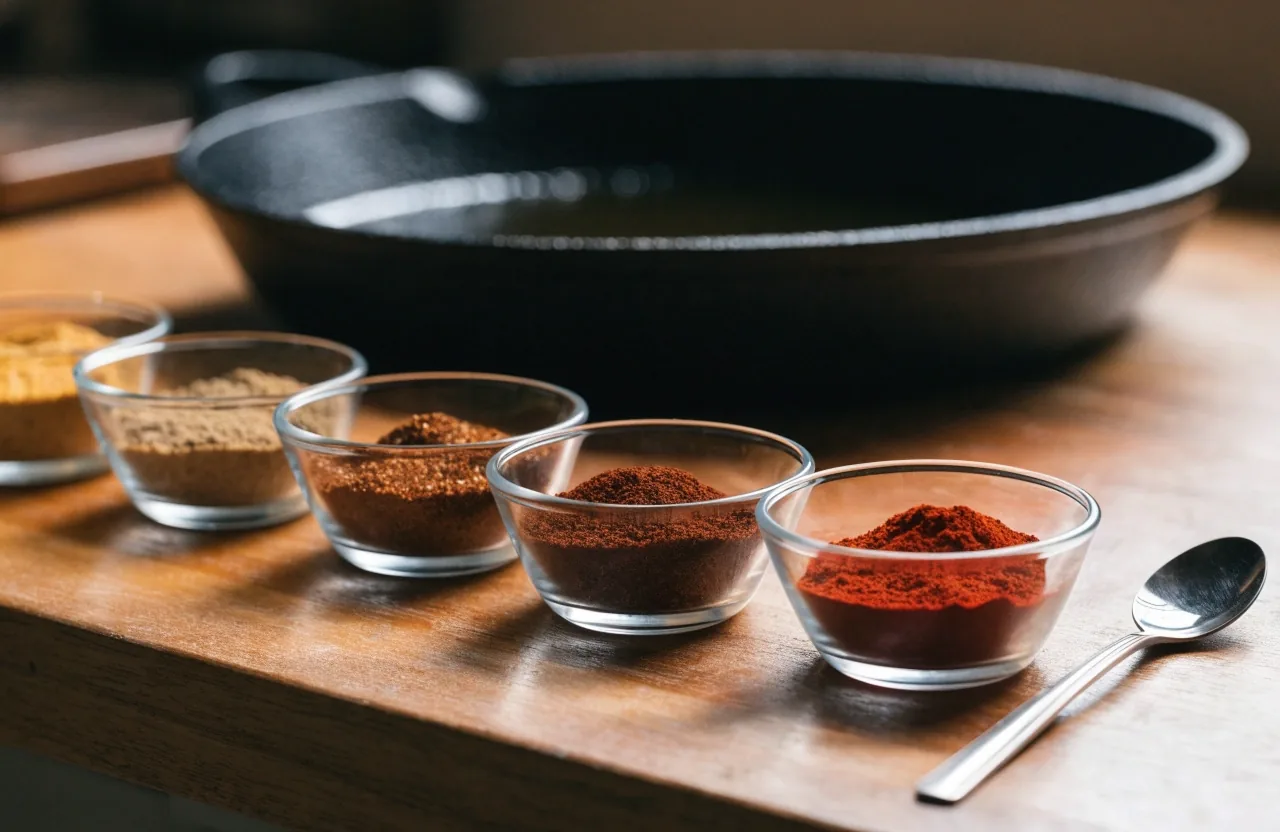
The heat ladder is a Nashville ordering tradition, and it is the fastest way to stop guessing how spicy you want dinner. Five rungs sit between mild and Reaper, and each one is a cayenne-to-sugar ratio the course builds from scratch. Here is what every level means and how to pick where you start.
Why a ladder beats a single spice setting
A single "spicy" button tells you nothing
A ladder gives you rungs you can move between, and it lets a table with different tolerances eat the same dish. Nashville hot chicken counters have used this framework for years because it works: you order a level, you learn something about yourself, and next time you order one rung up or down.
The course keeps that same structure. Every rung is taught as a ratio — how much cayenne against how much sugar, fa, and acid — so moving up or down is a deliberate adjustment instead of a guess. That is what makes the ladder useful in your own kitchen, not just at a counter.
The five rungs
Mild, medium, hot, extra hot, Reaper
Read down the ladder. Each rung below describes the flavor shift you should expect, who it suits, and what changes in the cayenne oil when you cook it.
-
Mild
The starting rung
Mild is a real level, not a punishment. The cayenne is present but low, the sugar carries more of the flavor, and the crust stays the star. If you are feeding kids or someone who genuinely does not like heat, this is the rung. It is also the right starting point if you have never made the style before, because you can taste the technique without the burn getting in the way.
Best for: first batches, shared tables, anyone building the crust before the burn.
-
Medium
Where cayenne arrives
Medium is where the cayenne-forward character arrives without overwhelming. It is the level most first-timers land on when they want to know what the fuss is about. The ratio shifts slightly toward cayenne and away from sugar, and you will notice the finish lingers a beat longer. If you eat hot sauce regularly but not aggressively, start here.
Best for: everyday hot-sauce eaters and a first honest taste of Nashville hot.
-
Hot
The everyday default
Hot is the standard for people who order spicy food by default. The cayenne leads, the sweetness steps back, and the heat builds across the piece rather than hitting at once. It is the level most students settle on for everyday cooking. The trap is assuming hot is the ceiling; it is not, and the next rung makes that obvious.
Best for: cooks who already keep a hot sauce they consider normal.
-
Extra hot
The oil gets aggressive
Extra hot is where the oil gets aggressive. The cayenne-to-sugar ratio tips hard, and the finish stays with you after the bite. It is still balanced, which is the point of building it properly instead of dumping powder in. You will want the pickles and bread at this level, not as sides but as tools. Serve it to people who already know their tolerance.
Best for: confident heat eaters who want the finish to linger.
-
Reaper heat
The top rung
Reaper is the top rung, and it is for people who already eat at the far end of the scale. The cayenne character stays intact under the heat, which is harder than it sounds, because a badly built hot oil just tastes like pain. Party Fowl's Poultrygeist offering shows how restaurants brand this kind of escalation with a name that dares you. The course teaches Reaper with a warning: build it after you have built the lower rungs, so you know what you are adjusting.
Best for: cooks who already live at the far end and want flavor to survive the heat.
Not sure which rung you are on? The free lesson walks through the cayenne oil at two levels so you can compare them before you enroll. Watch the free lesson.
Why heat needs flavor to work
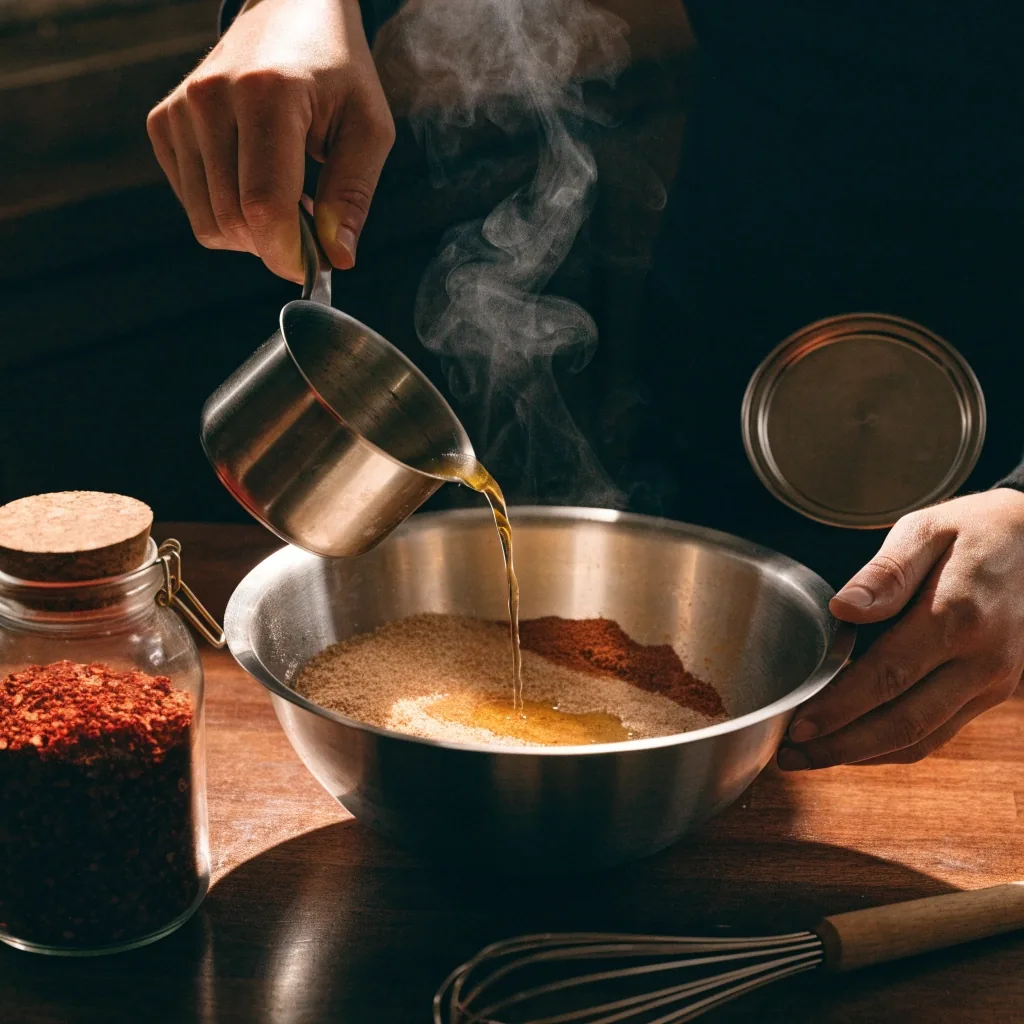
Cayenne alone is a dare. What makes Nashville hot chicken worth eating is the fa, sugar, and smoke carrying the heat instead of just delivering it. Every rung on the ladder is a ratio, not a quantity, which is why the course builds each level from scratch. When the balance is right, Reaper tastes like food. When it is wrong, even medium tastes like punishment.
What changes as you climb
Cayenne share rises
Each rung moves the cayenne-to-sugar ratio further toward cayenne, so the heat leads instead of trailing.
Fat carries longer
The oil is built to hold flavor at higher heat, so the finish stretches out rather than spiking once.
Sweetness steps back
Sugar goes from the lead flavor on mild to a supporting note on Reaper, keeping the crust balanced.
How to test your own tolerance
Calibration beats bravado
Your ceiling is usually one rung below where your ego puts it. The only way to find it is to cook two batches and taste them honestly, side by side, without reaching for anything to cool your mouth.
Enroll in the course-
1
Cook one batch at medium, one at hot
Same flour, same fry, same sauce method — only the cayenne-to-sugar ratio changes. That keeps the comparison fair.
-
2
Taste them plain, no sauce on the side
Ranch or honey would hide the exact thing you are testing. Take one bite of each and note where the heat peaks.
-
3
Watch how long the finish lasts
A rung you can still taste thirty seconds later is a different experience from one that hits and fades. Note both.
-
4
Pick the rung where flavor still wins
If hot overwhelms the flavor for you, medium is your rung and there is no shame in it. If hot feels flat, move up one.
Pickles, bread, and finishing a hot plate
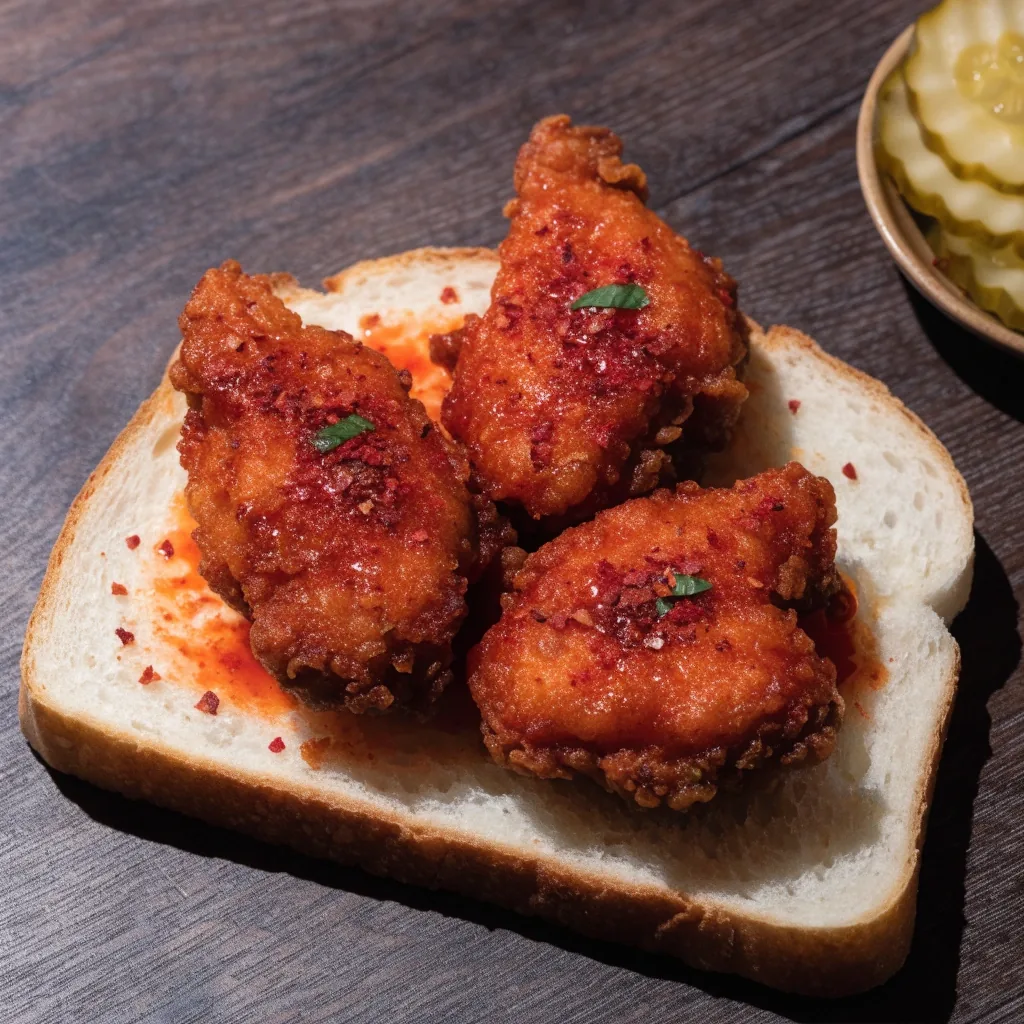
Acid and starch are how you finish a plate at the top of the ladder. Pickle brine cuts the fa, and white bread soaks the oil that runs off. The course includes both as part of the plate, not afterthoughts. Skip them and extra hot becomes a chore instead of a meal.
Browse the saucesPicking your starting rung
Start where your habits already are
The ladder is a tool for calibrating, and calibration beats bravado every time. Match the rung to what you actually eat, then move one step in whichever direction the first batch tells you to.
Never cooked the style
Start mild and work up over a few batches. You will learn the crust, the oil temperature, and the sauce build without the burn competing for your attention.
Order spicy food regularly
Medium is your baseline. It is the clearest read on the cayenne-forward character of the style, and it is where most first-timers land once they taste it.
Keep something aggressive in the fridge
Start at hot and see where it lands. If it feels flat, the next rung is waiting; if it feels right, you have found your everyday level.
Heat ladder questions
Before you pick a rung
Short answers to the questions that come up most often when students are deciding where to start.
Which level should a beginner start at?
Mild or medium. Mild lets you taste the technique, medium shows you what the cayenne-forward character actually is.
Is Reaper just more cayenne?
No. Each rung is its own cayenne-to-sugar ratio, so Reaper keeps the flavor under the heat.
Can I serve two levels at one meal?
Yes. Tenders make it easy, since you dip each piece to order.
Pick a rung, cook a batch, adjust from there
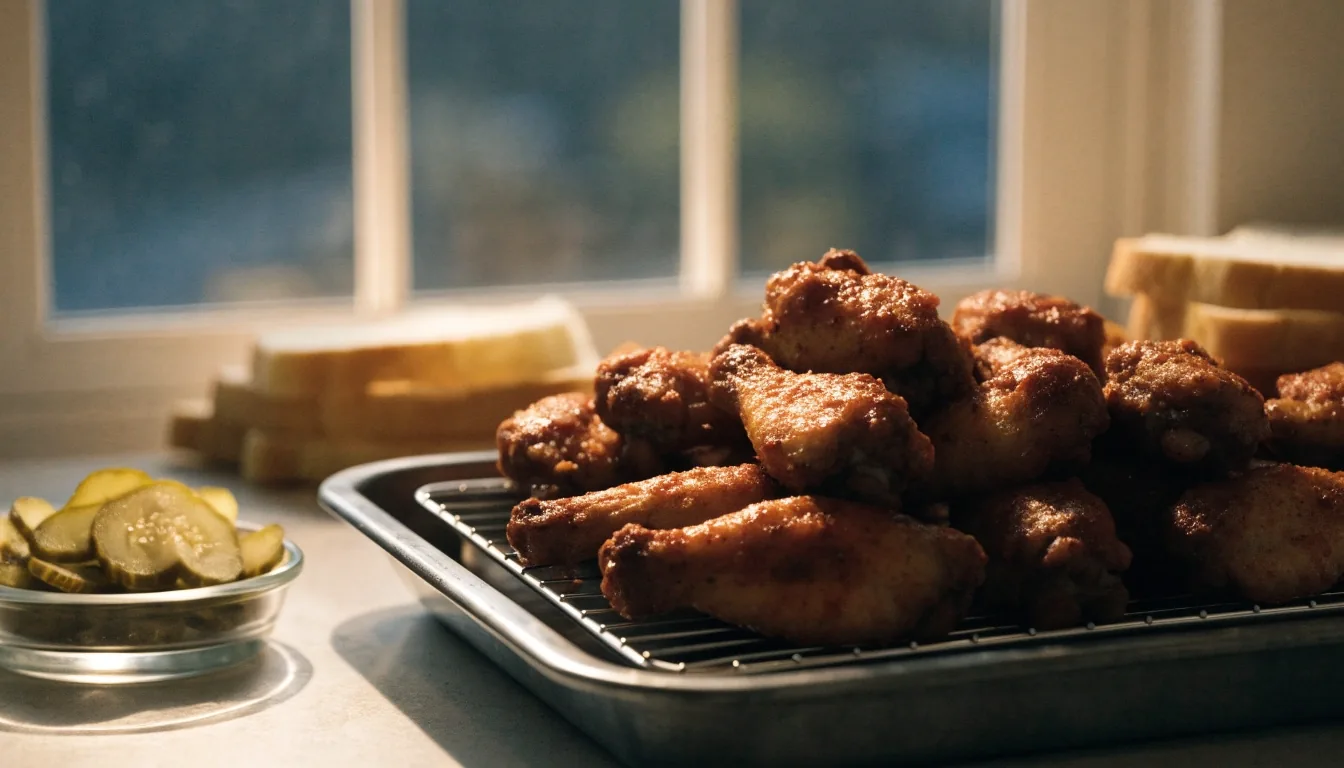
The course builds tenders, sliders, and wings at every level of the ladder, with the sauces and ratios behind each one. Start where you are, and move when the food tells you to.
Questions about the course or a class booking? Call +1-615-555-0182 Monday to Friday, 9:00 AM – 6:00 PM, or visit us at 1204 4th Ave S, Nashville, TN 37210. You can also send a message through the contact page.